
Welcome
Reflexology as supportive care
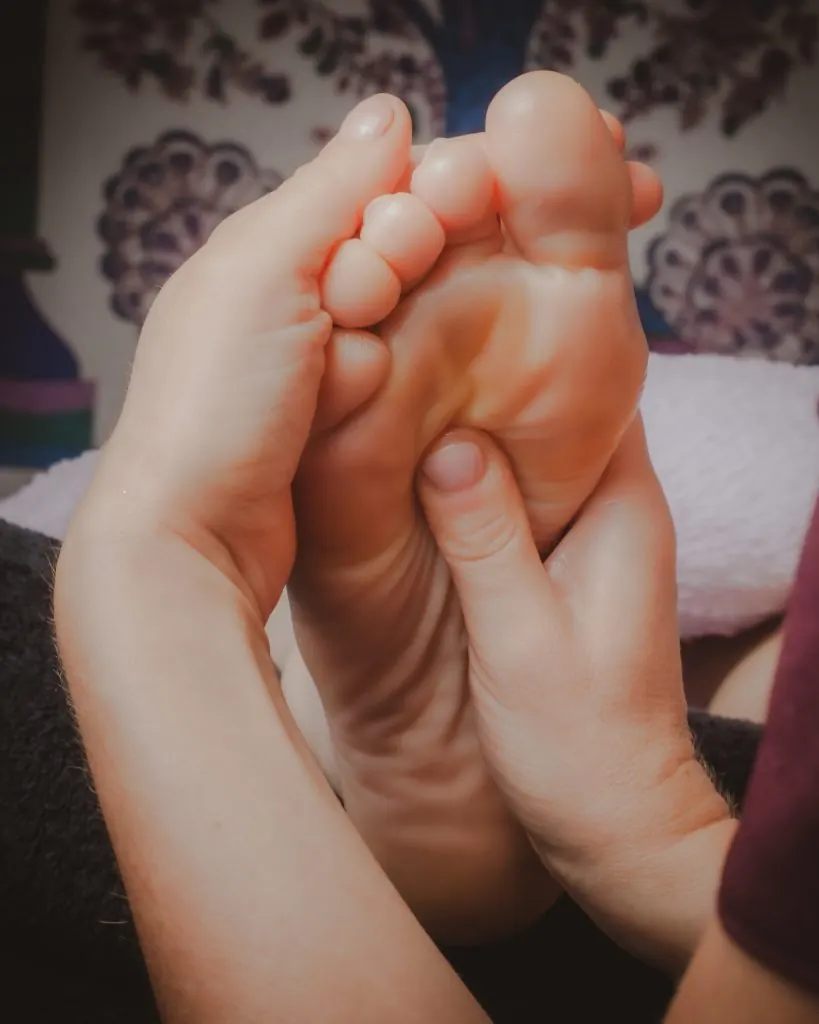
Many women look for natural, non-hormonal ways to help manage symptoms like poor sleep, hot flushes, stress and anxiety. Sessions use steady pressure on specific points of the feet and hands that correspond to different systems in the body, encouraging deep relaxation and supporting the body's own balance.
What the research suggests
Small studies suggest reflexology may help reduce the severity of symptoms such as stress, anxiety, poor sleep and general discomfort. There isn't strong evidence that reflexology changes hormone levels directly — but reducing stress and improving relaxation can make a real difference to how menopause feels day to day. Many clients report feeling calmer, sleeping better, and feeling more able to cope with the physical and emotional changes.
A complementary therapy — not a replacement
Menopause Reflexology is always offered as a supportive therapy, not a replacement for medical advice or treatment. HRT and other medical options remain the right path for many women; reflexology can sit alongside them. If you're not sure whether it's right for you, please get in touch and we can talk it through.
Benefits
How reflexology may help in menopause
Reflexology can't change your hormones — but it can change how the rest of life feels while they shift. Most clients notice the difference after the first session.
Eases the Hot-Flush Cycle
Calming the nervous system can take the edge off the flush-anxiety-flush loop many women find exhausting.
Supports Better Sleep
Steady, focused foot work helps the body unwind — clients often report deeper sleep the night of a treatment.
Calms a Racing Mind
Anxiety, brain fog and rumination soften when the body has somewhere safe to land for an hour.
Helps Mood Swings
Relaxation-based therapy can ease the day-to-day swings between tearfulness, frustration and exhaustion.
Sits Alongside HRT
Reflexology complements medical care — it's offered as supportive, not a replacement for HRT or other treatments.
Time That's Yours
An hour focused entirely on you. For many women, that alone is part of the medicine.
Adaptations
Adapted to where you are right now
Perimenopause and menopause look different for everyone — your treatment should reflect that. We adapt every session to how you're feeling on the day.
- Light, medium or firm pressure
- Cool room and a fan if you run hot
- Lighter blanket — or none at all
- Hand or face reflexology if feet are uncomfortable
- Shorter sessions if energy is low
- Quiet space or gentle conversation
- Reclined, lying flat or propped up
- Easy stops for water or a break
Your comfort
A safe, comfortable treatment
This is a calm, completely confidential space. Nothing is rushed and you're always in charge of the pace.
- Confidential pre-treatment consultation
- Cool, calm treatment room in Buxton
- Fully clothed apart from socks and shoes
- Gentle, predictable pressure on the feet or hands
- Honest aftercare advice
- Easy to combine into a longer course of sessions
Who it's for
Who menopause reflexology suits
Many women come to reflexology when symptoms start affecting sleep, mood or day-to-day functioning. It's never too early — or too late — in the journey.
- Women in perimenopause noticing the first changes
- Anyone managing hot flushes and night sweats
- Women whose sleep has become broken or shallow
- Those experiencing anxiety, low mood or overwhelm
- Women on HRT looking for added support
- Anyone for whom HRT isn't suitable
- Post-menopausal women supporting long-term wellbeing
An important note
Reflexology is a complementary therapy and is not a replacement for medical care, diagnosis or treatment. It does not change hormone levels and is not a treatment for menopause itself. Please continue to speak with your GP or menopause specialist about your symptoms and treatment options.
FAQs